
Josh Tobia

Hi, I'm Josh Tobias — a herbalist, botanist, and entrepreneur based in Las Vegas, Nevada. I created MHRB USA with a simple purpose: to offer high-quality Mimosa Hostilis Root Bark and other botanicals through a platform rooted in sustainability, transparency, and fair trade.

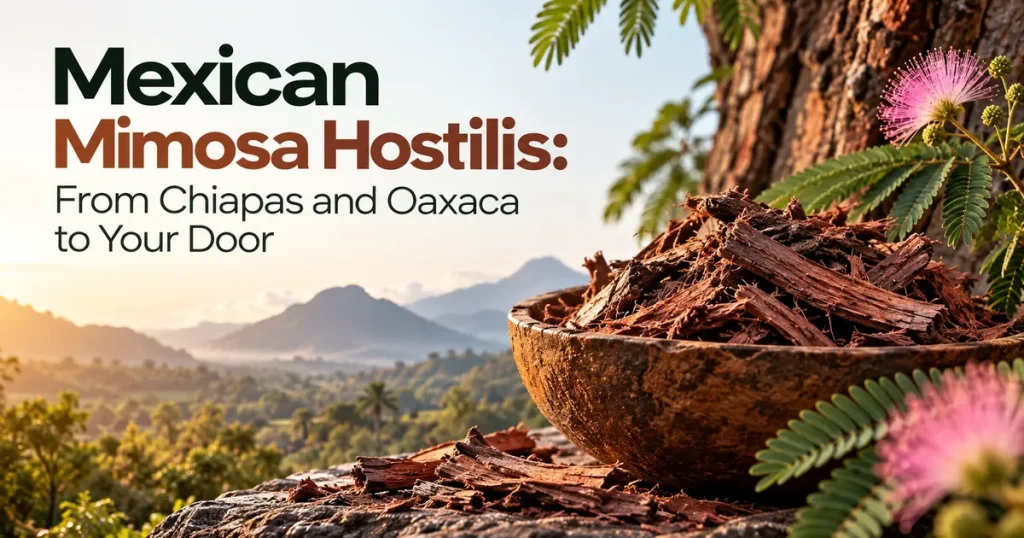
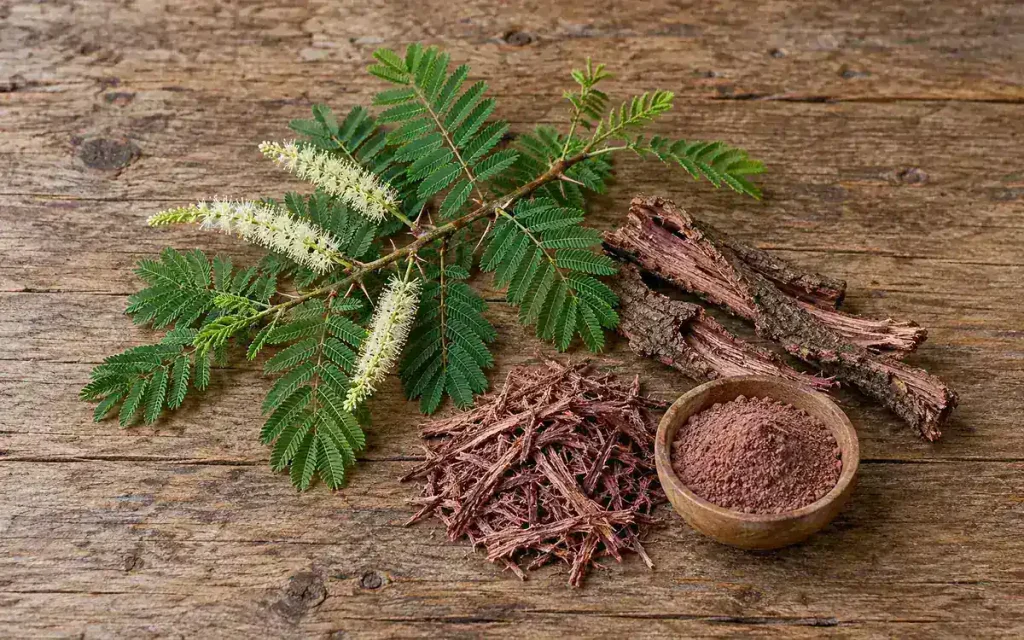
Mexican Mimosa hostilis inner root bark in a wooden bowl with pink flowers and green leaves, with mountains of southern Mexico in the background

Mexican Mimosa Hostilis: From Chiapas and Oaxaca to Your Door

The Mexican Mimosa Hostilis available from MHRBUSA comes from Chiapas and Oaxaca, two regions in southern Mexico where this species grows naturally and is traditionally known as tepezcohuite or tepescohuite. After harvesting, the inner root bark undergoes a process of cleaning, air-drying, hand sorting, and storage. It is then transported to the United States, where

Mexican Mimosa Hostilis: From Chiapas and Oaxaca to Your Door Read More »

Mimosa Hostilis Legality

Is Mimosa Hostilis Legal in the United States? Complete 2025 Legal Guide

Quick Answer: Yes, Mimosa hostilis (Mimosa tenuiflora) is completely legal to possess, cultivate, and use in the United States. The plant and all its parts, including root bark, are not classified as controlled substances under federal law. In this article we will explore a little more in depth the mimosa hostilis legality in USA, how

Is Mimosa Hostilis Legal in the United States? Complete 2025 Legal Guide Read More »

Secrets of Mimosa Hostilis Root Bark

5 Secrets of Mimosa Hostilis Root Bark: Uses and Quality

Secrets of Mimosa Hostilis Root Bark go beyond its reddish-brown color and fibrous texture. Also known as MHRB, this botanical raw material is valued for its versatility in natural dyes, craft projects, and personal care products. Mimosa Hostilis Root Bark is also known as tepezcohuite in Mexico, jurema preta in Brazil, and Mimosa tenuiflora in

5 Secrets of Mimosa Hostilis Root Bark: Uses and Quality Read More »

grow Mimosa hostilis

How Long Does It Take for Mimosa hostilis to Grow? A Complete Growing Guide

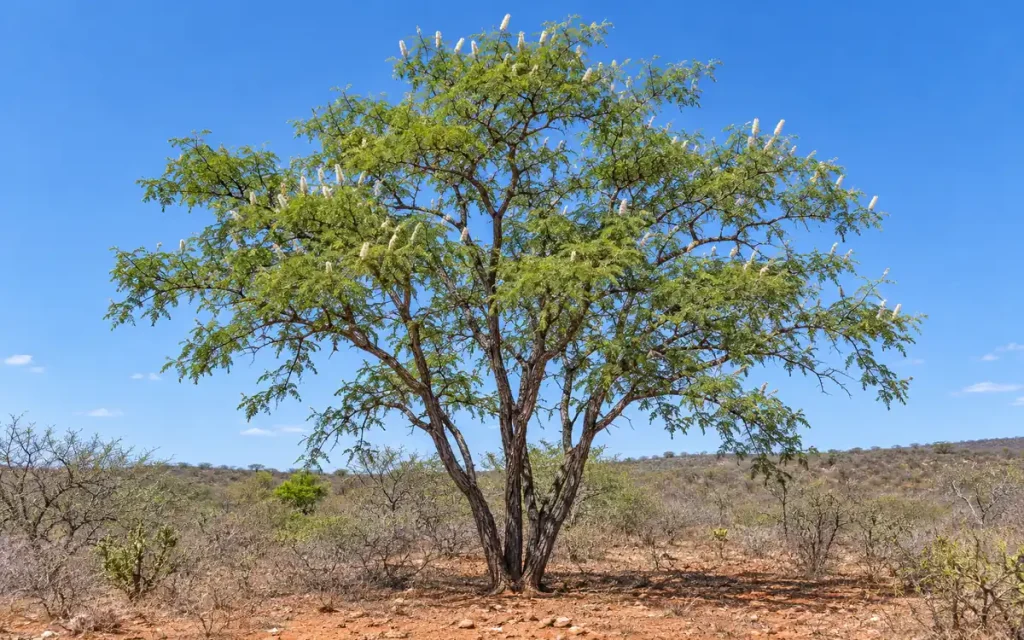
Mimosa hostilis, also known as Mimosa tenuiflora, is a shrub or small tree highly valued for its hardiness, rapid growth in the early stages, and many traditional uses. It is easily recognized by its reddish trunk, small leaves that grow in linear pairs, and white or pale yellow spike-like flowers. Additionally, it can be grown

How Long Does It Take for Mimosa hostilis to Grow? A Complete Growing Guide Read More »

Everything you need to know about mimosa hostilis

Benefits of Mimosa Hostilis for the Skin: Uses and Safety

Mimosa Hostilis, also known as tepezcohuite, is a botanical ingredient increasingly used in natural skincare. Its root bark is traditionally associated with topical applications aimed at soothing, protecting, and improving the appearance of the skin. Although it’s often touted as a promising ingredient in skincare, it’s important to understand its benefits, what the science says,

Benefits of Mimosa Hostilis for the Skin: Uses and Safety Read More »

Natural Dyeing with Mimosa Hostilis A Step-by-Step Process

Natural Dyeing with Mimosa hostilis: A Step-by-Step Guide

Plant-based dyes have once again sparked interest among artisans, textile brands, and individuals seeking more sustainable methods for coloring natural fibers. In the world, Mimosa Hostilis, also known botanically as Mimosa Tenuiflora, stands out for its bark rich in tannins and phenolic compounds—characteristics that explain its use as a dye for textiles and leather. It

Natural Dyeing with Mimosa hostilis: A Step-by-Step Guide Read More »

Scroll to Top