
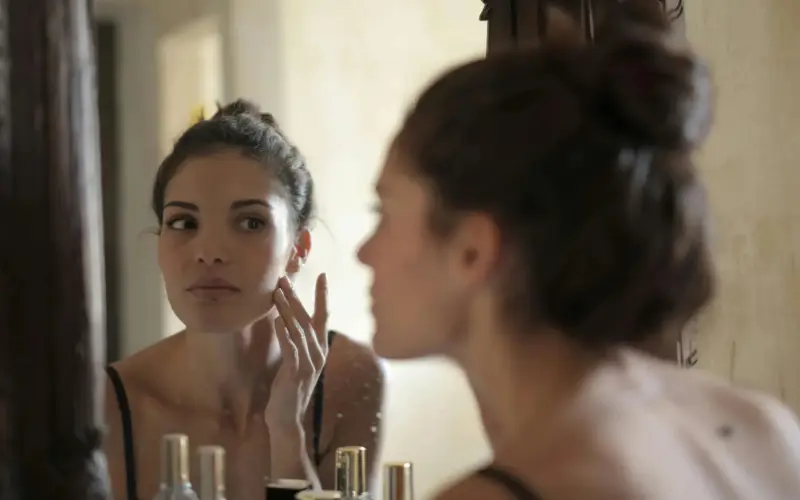
In short: Mimosa hostilis root bark, known in Mexico as tepezcohuite, is a traditional cosmetic ingredient found in soaps, creams and masks. People use it in routines aimed at skin that looks calmer, more even and well cared for. Clinical evidence is limited and mixed, so it is best treated as a cosmetic ingredient, not as a treatment for any skin condition.
If you are looking into Mimosa hostilis for your skin, you probably want three answers: what it is said to do, whether there is evidence behind it, and how to use it safely. This guide takes them in that order.
What is tepezcohuite?
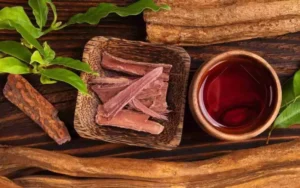
Tepezcohuite is the Mexican name for Mimosa tenuiflora, the tree also known as Mimosa hostilis. Its bark has been used on the skin in Mexico for generations, and that tradition is where today’s tepezcohuite soaps and creams come from.
For the plant itself, including where it grows and its other uses, see our guide to Mimosa hostilis.
Benefits of Mimosa hostilis for the skin
These are the reasons people include tepezcohuite in a routine. They describe cosmetic use and traditional practice, not proven medical effects.
A traditional choice for simple routines
Tepezcohuite is often chosen by people who want simple, plant-based products for skin that looks irritated or feels uncomfortable. In that role it can be one step in a routine, alongside a mild cleanser and a moisturizer, provided the finished product agrees with the user’s skin.
Tannins and their astringent feel
The bark is rich in tannins. Tannins are astringent, which is why products that contain them can leave the skin feeling tighter after use. Some people like that feel in a soap or mask; people with dry skin may prefer to use it less often.
A plant ingredient with a long record of use
Besides tannins, the bark contains other plant compounds, including flavonoids and saponins. For people who prefer botanical ingredients, tepezcohuite offers one with a long history of use on the skin.
Routines for more even-looking skin
Some people use tepezcohuite hoping for a more even-looking complexion. It can be part of a routine with that goal, together with regular moisturizing and daily sun protection. The aim is a simple routine for well-cared-for skin; there is no clinical evidence that tepezcohuite evens skin tone or removes spots, scars or marks.
A supporting role for blemish-prone skin
Tepezcohuite soaps and masks are also used by people whose skin is prone to blemishes. Used that way, it is a supporting product for cleansing. For moderate, painful or persistent acne, see a dermatologist.

What does the research say?
Tepezcohuite has been studied, although the clinical research is limited. A pharmacognostic study of the bark identified tannins as its main group of compounds.
Two clinical trials, two different results
Both trials looked at venous leg ulcers, a medical condition treated under clinical supervision, and both used a hydrogel made with a standardized bark extract:
- 2007: a randomized trial found greater reduction in venous-ulcer area with the extract hydrogel than with the control hydrogel.
- 2012: a second randomized trial with 41 patients found that the hydrogel with the extract was not superior to the hydrogel alone.
Neither trial tested the soaps, creams or raw bark sold for cosmetic use.
What that means for skin care
Those trials tested a specific extract on a medical condition, and their results do not agree. They do not tell us how tepezcohuite soap, cream or powder performs in everyday skin care. We are not aware of clinical trials on tepezcohuite for acne, dark spots or wrinkles.
That is why the honest way to describe it is as a traditional cosmetic ingredient: one that many people enjoy using, with limited clinical evidence behind it.
How to use Mimosa hostilis in a skin care routine
Tepezcohuite reaches the skin in several product types, each with its own purpose:
- Soaps: for cleansing; they rinse off, so contact with the skin is brief.
- Creams and balms: they stay on the skin longer.
- Masks: for occasional use.
- Bark powder: for people who make their own soaps, masks or other cosmetic preparations.
Always follow the instructions of the product you are using.
Start with a patch test
Natural does not automatically mean gentle for everyone. Before using a new product on your face or on a large area:
- Apply the product to a small, discreet area as directed, twice daily for 7 to 10 days.
- If redness, itching, burning or irritation occurs, stop using it.
- If not, introduce it gradually.
Keep the rest of the routine simple
Tepezcohuite fits best in a short routine: a gentle cleanser, a moisturizer suited to your skin type and sunscreen during the day. If you already use strong active ingredients such as retinoids or chemical exfoliants, introduce it separately so you can tell how your skin responds.
Precautions
Tepezcohuite products are for external, cosmetic use only. Do not apply them to:
- open wounds or burns
- infected skin
- skin that is severely irritated, painful or bleeding
If you are pregnant or breastfeeding, or the product is for a young child, ask a healthcare professional first, because safety information for these cases is limited. Stop using any product that causes irritation, and see a dermatologist for any skin condition that does not improve.
Choosing Mimosa hostilis bark for cosmetic projects
If you make your own soaps or masks, the form of the bark matters:
- Powder: blends easily into soap bases, clays and oils.
- Shredded: keeps more texture and suits people who prefer to prepare their own infusions for soap making.
- Whole: the least processed form, which you can grind yourself. See how to make Mimosa hostilis bark powder.
Whatever the form, look for a clearly stated origin, clean and dry material, and a seller with clear shipping and return policies. Anyone who sells the cosmetics they make is responsible for meeting the labeling and safety rules that apply to cosmetic products.
At MHRBUSA™ we offer Mimosa hostilis root bark in whole, shredded and powdered form, shipped from within the United States with tracking.
Frequently asked questions
Does Mimosa hostilis help with acne?
Tepezcohuite soaps and masks are used by people who have blemish-prone skin, but we are not aware of clinical trials showing that it treats acne. Think of it as a supporting cosmetic product, and see a dermatologist for moderate, painful or persistent acne.
Does Mimosa hostilis remove scars or dark spots?
There is no clinical evidence that tepezcohuite removes scars or dark spots. It can be part of a routine aimed at more even-looking skin, together with moisturizing and daily sun protection, but it should not be expected to remove them.
Can Mimosa hostilis be used on sensitive skin?
With caution. Sensitive skin can react to natural ingredients too, so do a patch test first and stop using the product if you notice redness, itching or burning.
Is tepezcohuite the same as Mimosa hostilis?
Yes. Tepezcohuite is the common name used in Mexico for Mimosa tenuiflora, the species also known as Mimosa hostilis.
Which form of Mimosa hostilis is best for making soaps and masks?
Powdered bark is practical for that purpose because it blends easily into soap bases, clays and oils. Shredded and whole bark suit people who prefer to process the bark themselves.
Is Mimosa hostilis safe during pregnancy?
Safety information is limited. If you are pregnant or breastfeeding, ask a healthcare professional before using products that contain tepezcohuite.
Last reviewed: October 2026.


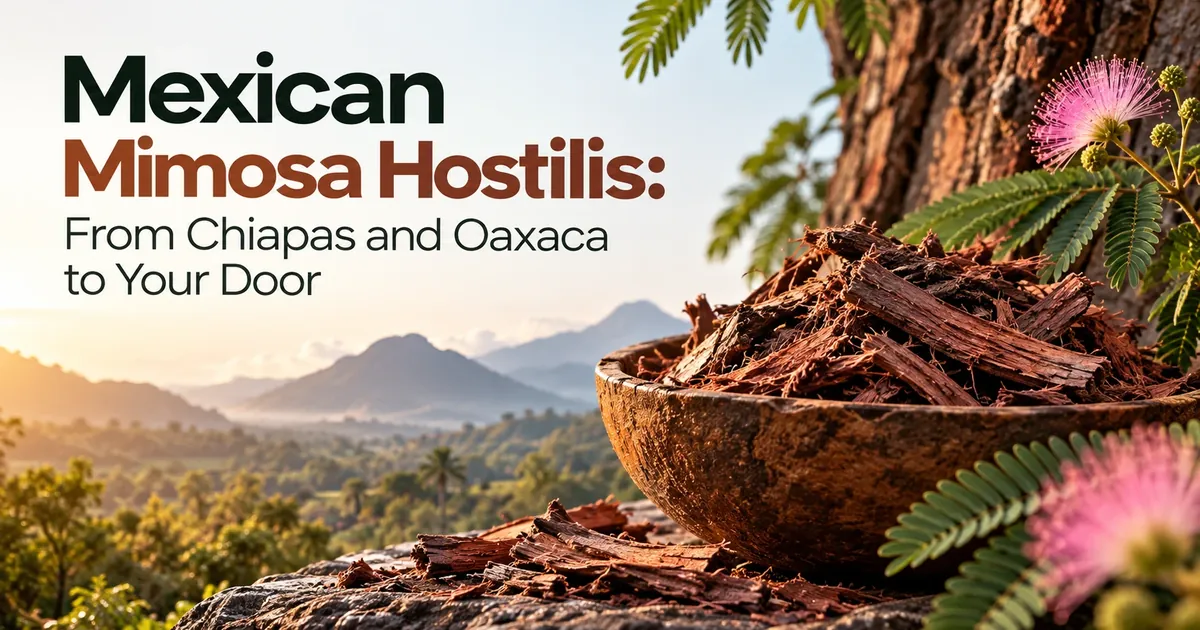





3 thoughts on “Mimosa Hostilis Benefits for Skin Care: Uses, Evidence and Safety”
Pingback: 5 Secrets of Mimosa Hostilis Root Bark: Uses and Quality
Pingback: Is Mimosa Hostilis Root Bark Legal in the US? (2026 Guide)
Pingback: Benefits of Mimosa Hostilis for the Skin: Uses and Safety