
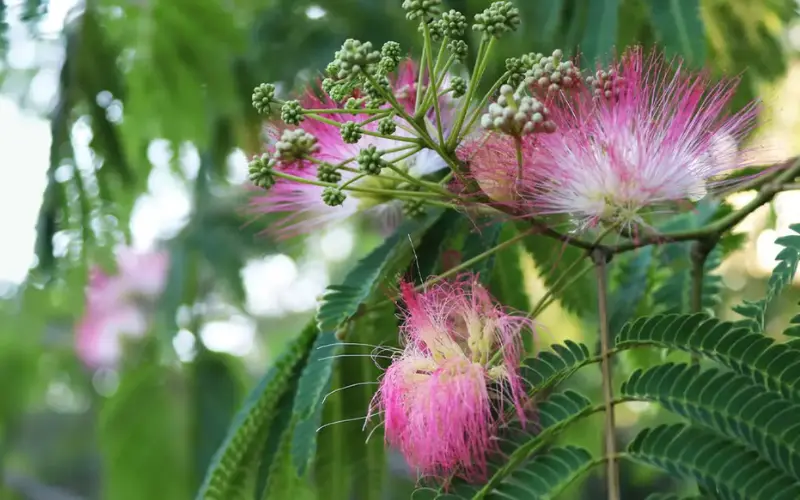
Although many people confuse them because they belong to the same genus, Mimosa pudica and Mimosa hostilis are not the same plant. In fact, Mimosa hostilis is a botanical synonym for Mimosa tenuiflora, the currently accepted name for this species. Both belong to the Fabaceae family, but they differ in appearance, behavior, traditional uses, and the plant part of greatest interest.
If you’re looking for clear information on Mimosa hostilis, Mimosa tenuiflora, tepezcohuite, or jurema preta, this guide will help you understand how these plants differ and how to identify them correctly.
Is Mimosa pudica the same as Mimosa hostilis?

No. Mimosa pudica and Mimosa hostilis are not the same. They are different species within the same genus. Furthermore, when referring to Mimosa hostilis in botanical terms today, it is accurate to note that this name is used as a synonym for Mimosa tenuiflora.
In simple terms:
- If you’re looking for the plant that closes up when touched, you’re talking about Mimosa pudica.
- If you’re looking for tepezcohuite, jurema preta, Mimosa hostilis root bark, or MHRB, you’re talking about Mimosa tenuiflora.
Understanding the difference between Mimosa pudica and Mimosa hostilis helps avoid common confusion in botanical, commercial, and traditional contexts. The former is notable for its sensitivity to touch and its popularity as an ornamental plant. The latter, also known as Mimosa tenuiflora, tepezcohuite, or jurema preta, is primarily associated with its bark and traditional uses related to skincare.
Differences Between Mimosa pudica and Mimosa hostilis
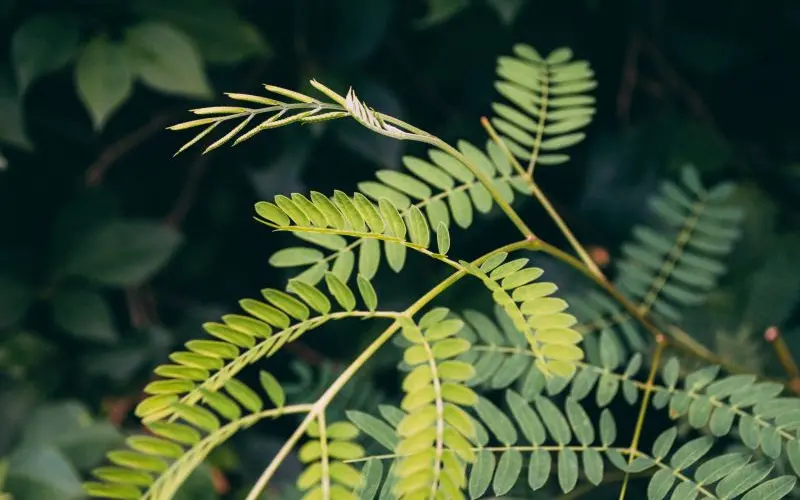
The most noticeable difference between the two species lies in their behavior and structure. Mimosa pudica is known for folding its leaves when touched, whereas Mimosa hostilis or Mimosa tenuiflora does not exhibit this movement. Additionally, Mimosa pudica typically grows as a small plant or subshrub, while Mimosa tenuiflora develops a form closer to that of a shrub or tree.
The focus of interest also differs. With Mimosa pudica, the plant’s sensitivity and its general traditional uses are typically highlighted; with Mimosa tenuiflora, interest centers on the root bark, tepezcohuite, and traditional topical applications.
Estas son algunas de las principales diferencias entre la Mimosa pudica y la Mimosa hostilis:These are some of the main differences between Mimosa pudica and Mimosa hostilis:
| Feature | Mimosa pudica | Mimosa hostilis / Mimosa tenuiflora |
| Botanical name | Mimosa pudica | Mimosa tenuiflora |
| Reaction to touch | Yes, its leaves fold when touched | This is not one of its defining trait |
| Plant type | Herb or small subshrub | Shrub or tree |
| Most commonly searched par | Whole plant or leaves | Root bark |
| Traditional use focus | General herbal use and ornamental interest | Topical preparations and skin care |
What is Mimosa pudica?
Mimosa pudica is a plant native to Mexico and tropical America. It is known for its reaction to touch: when brushed, its leaves temporarily fold up as a defense mechanism. This behavior is associated with plant movements known as thigmonasty and nyctinasty, making it one of the most intriguing and recognizable species in the Mimosa genus.
In addition to its ornamental value, Mimosa pudica also features in various herbal traditions. Scientific reviews document ethnobotanical uses related to digestive discomfort, wounds, inflammation, and other ailments; however, much of this evidence remains traditional or preliminary, so it should not be interpreted as a substitute for medical care.
Characteristics of Mimosa pudica
- Its leaves react to touch.
- It can grow as a herb or subshrub.
- It produces small, rounded flowers.
- It is commonly known as the sensitive plant or sleepy plant.

Traditional Properties and Uses of Mimosa pudica
Mimosa pudica has various traditional uses in herbal medicine, particularly in digestive, topical, and traditional medical contexts. Compounds such as tannins, flavonoids, and other plant metabolites found in different parts of the plant have also been studied.
Most commonly cited traditional uses of Mimosa pudica
- traditional use in herbal preparations
- interest in minor topical applications
- presence in traditional medicine systems
- ornamental use due to its touch-sensitive movement
What is Mimosa hostilis or Mimosa tenuiflora?
The plant known commercially as Mimosa hostilis is actually Mimosa tenuiflora, which is its botanical name. Its native range extends from southern Mexico to Venezuela and northeastern Brazil. Unlike Mimosa pudica, Mimosa hostilis is described as a shrub or tree; it is more robust and adapted to tropical environments.
It is also known by common names such as tepezcohuite and jurema preta, so it is common to find it referred to by different names depending on the country, botanical context, or market.
Other names by which it is known
- Mimosa hostilis
- Mimosa tenuiflora
- tepezcohuite
- jurema pre
Benefits of Tepezcohuite and Traditional Uses of Mimosa tenuiflora
Available studies and reviews link Mimosa tenuiflora to scientific interest in areas such as wound healing, antioxidant activity, and antimicrobial activity, particularly in research on the skin and skin lesions. There are also clinical reports and reviews that describe it as one of the most studied plant species in this field within traditional medicine.
Therefore, when someone talks about skin care with tepezcohuite or the benefits of tepezcohuite, they are usually referring to traditional uses and lines of research related to the bark of Mimosa tenuiflora.
Traditional uses most commonly associated with Mimosa hostilis
- traditional topical preparations
- cosmetic applications related to the skin
- botanical products such as tepezcohuite cream, soap, or powder
- traditional applications linked to the root bark
Similarities Between Mimosa pudica and Mimosa hostilis
Although they are different species, both share several general characteristics:
- they belong to the genus Mimosa
- they are part of the Fabaceae family
- they are flowering plants that produce seeds
Frequently Asked Questions
Are Mimosa hostilis and tepezcohuite the same thing?
Yes. In many contexts, tepezcohuite is one of the common names used to refer to Mimosa tenuiflora, also known commercially as Mimosa hostilis. The difference usually lies in the botanical, traditional, or commercial name by which the plant is referred to.
Which part of Mimosa hostilis is most commonly used?
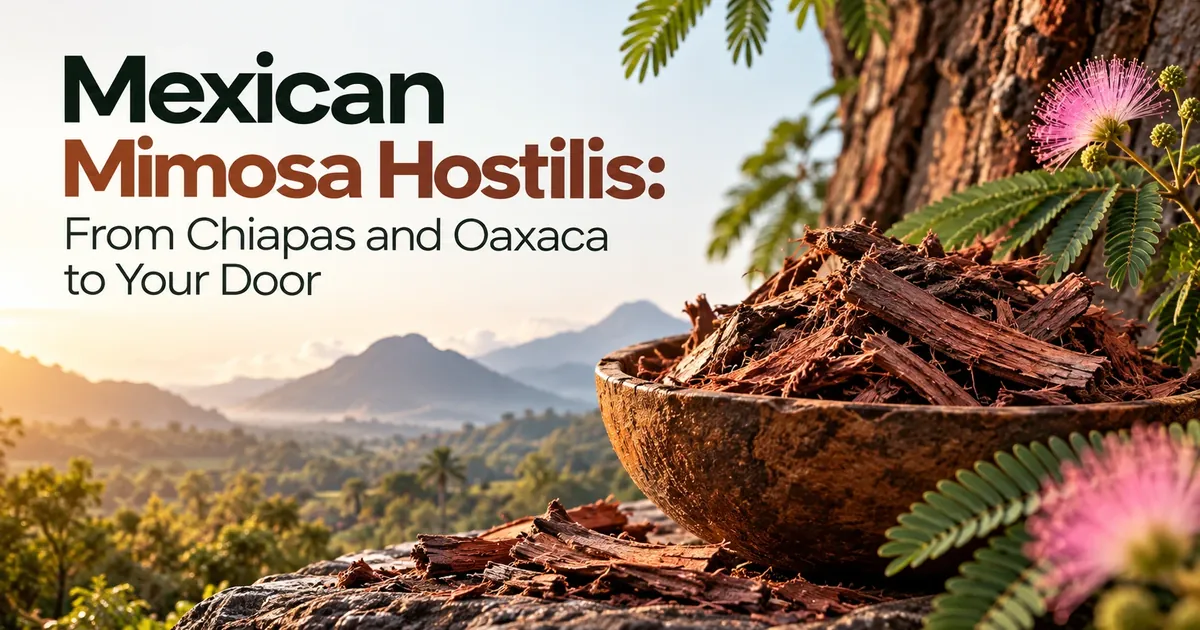
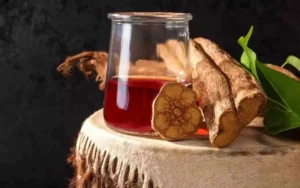
The best-known part is the root bark, which may also be referred to as Mimosa hostilis root bark or Mimosa tenuiflora bark. It is the part most frequently mentioned in traditional and botanical contexts.
Does Mimosa pudica have the same uses as Mimosa hostilis?
No. Although both belong to the Mimosa genus, they are not used in the same way nor are they known for the same characteristics. Mimosa pudica is known for its sensitivity to touch, while Mimosa hostilis, or Mimosa tenuiflora, is more commonly associated with its bark and has different traditional uses.
How can you tell if a plant is Mimosa pudica or Mimosa hostilis?
The easiest way to tell them apart is to observe their behavior and structure. Mimosa pudica folds its leaves when touched, while Mimosa hostilis does not exhibit this movement and typically grows as a more robust shrub or tree.
Why is Mimosa hostilis also referred to as Mimosa tenuiflora?
Because Mimosa hostilis is a name widely used commercially and in common parlance, but in modern taxonomy, Mimosa tenuiflora is generally accepted as the valid botanical name. That is why both terms usually refer to the same species.
What products are typically associated with tepezcohuite?
Tepezcohuite is commonly found in topical or cosmetic products, such as tepezcohuite cream, tepezcohuite soap, tepezcohuite powder, and other skin care formulations.









2 thoughts on “Mimosa pudica vs. Mimosa hostilis: Differences, Uses, and How to Identify Them”
Pingback: Mimosa Hostilis: What It Is, Uses and Origins - MHRBUSA™
Pingback: Mimosa Hostilis Tree: How to Grow It, Size and USDA Zones