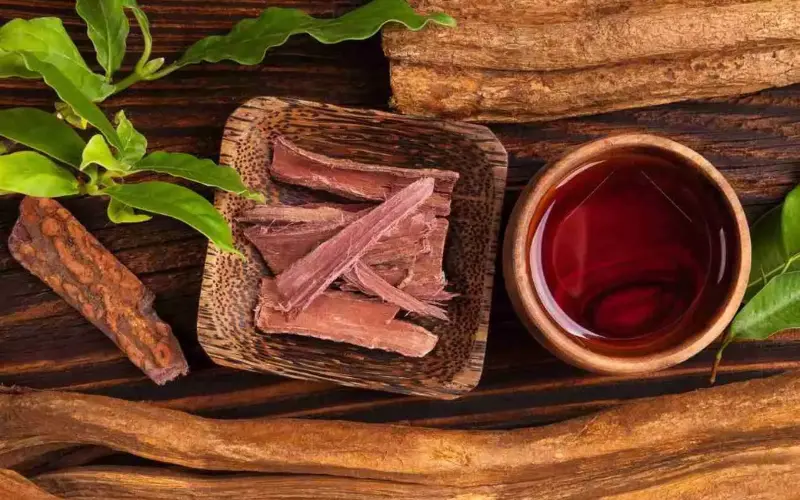
Mimosa hostilis is not just an exotic plant. It is also a species widely recognized for its traditional uses, botanical value, and presence in products related to skin care, botanical cosmetics, and natural dyeing. Today, many people also search for it as tepezcohuite, jurema preta, jurema, or even under the commercial term MHRB, which usually refers to the inner root bark.
This species grows natively from southern Mexico to parts of Central America, Colombia, Venezuela, and northeastern Brazil. Over time, it has been valued for its traditional applications for the skin, for the use of its mimosa bark in botanical preparations, and for its ability to function as a plant-based colorant in textiles and leather. If you want to understand what it is, how to identify the Mimosa hostilis tree, what its best-known properties are, and why it continues to be such a sought-after plant, here is a complete guide.
What is Mimosa hostilis?
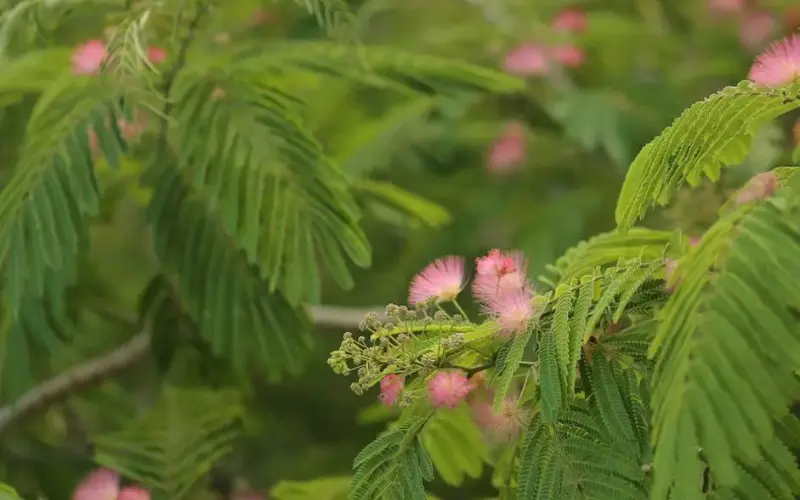
Mimosa hostilis, botanically known as Mimosa tenuiflora, is a hardy shrub or tree in the Fabaceae family. It adapts well to tropical and subtropical climates and is often found in dry areas, disturbed land, and roadsides, where it acts as a pioneer species. In addition to its resilience, it stands out for its bark and its pale flower spikes, features that have made it an easy plant to recognize in its natural habitat.
In many markets and specialized articles, it also appears under names such as tepezcohuite or jurema preta, which can create confusion for those who do not realize that all of these terms usually refer to the same species. This variety of names explains why the plant appears in such different searches, from benefits of tepezcohuite to Mimosa hostilis root bark or Mimosa tenuiflora bark

Properties of Mimosa hostilis
Mimosa tenuiflora is best known for the interest surrounding its bark in traditional uses related to the skin. In ethnobotanical reviews and studies, it is especially mentioned for its traditional use on burns, lesions, skin inflammation, and skin recovery processes. It has also been associated with antimicrobial activity, antioxidant properties, and qualities linked to wound healing.
Among the best-known properties commonly attributed to Mimosa hostilis are:
- traditional support in the care of burns and skin lesions
- the presence of compounds of antioxidant interest
- botanical and cosmetic use in skin-care formulas
- the use of the root bark in traditional preparations
- the use of its extract as a plant-based colorant in natural dyeing
How to identify Mimosa hostilis
The Mimosa hostilis tree can reach several meters in height and usually has bark ranging from reddish-brown to dark brown, with short, rigid thorns. Its flowers appear in pale spikes, generally white-creamy or yellowish, and the plant develops pods and seeds like other species in its family. In regions of Brazil and Mexico, it may also be identified by its common names, such as jurema preta and tepezcohuite.
An easy way to distinguish it from other species in the Mimosa genus is to remember that Mimosa hostilis or Mimosa tenuiflora is not the typical small plant that “closes” when touched. In this case, we are talking about a more robust species with a shrubby or tree-like growth habit, whose most sought-after part is usually the Mimosa hostilis root bark.

What are the benefits of Mimosa hostilis?
When people talk about the benefits of this plant, the conversation usually centers on the skin. Tepezcohuite has become especially well known for its traditional association with preparations for burns, lesions, and skin recovery. For that reason, many people associate Mimosa hostilis with tepezcohuite skin care, as well as with botanical topical formulas.
Among the most commonly highlighted benefits are the following:
- Skin rejuvenation: due to its content of phenolic compounds and antioxidants, this plant is associated with products intended to improve the appearance of the skin and support a healthy-looking complexion.
- Support for wound healing: clinical and ethnobotanical literature has paid special attention to the use of the bark in skin lesions and healing processes.
- Traditional cosmetic interest: the rise of tepezcohuite in creams, soaps, and topical formulas has made terms such as tepezcohuite cream and tepezcohuite powder increasingly common in searches related to botanical cosmetics.
- Traditional use for skin concerns: in different contexts, its application is mentioned in formulas intended for burns, irritation, and other skin-related issues.
What is Mimosa hostilis used for?
Mimosa hostilis is used in several contexts. One of the best known is cosmetic, especially in products related to the skin. Another important use is textile, since the plant has also been studied as a source of plant-based dye for cotton and leather. That is why it is now searched not only for its traditional properties, but also for its role in natural dyeing and for the versatility of its mimosa bark.
Among its most common uses are:
- botanical preparations for the skin
- products inspired by tepezcohuite skin care
- cosmetic formulas such as cream, soap, or plant powder
- artisanal natural dyeing processes
- traditional applications associated with the root bark and Mimosa tenuiflora bark
Chemical composition and associated benefits
The Mimosa hostilis root bark, known in many markets as MHRB, contains plant compounds that explain much of the interest this species attracts. Phytochemical reviews describe alkaloids, saponins, flavonoids, tannins, terpenoids, and polysaccharides, among other groups of compounds. The role of condensed tannins has also been studied in various biological and technological applications of the plant.
This composition helps explain why the plant appears so often in conversations about botanical cosmetics, as well as in searches for Mimosa hostilis root bark, MHRB, mimosa bark powder, or benefits of tepezcohuite. It also explains why it has remained of interest in fields as varied as traditional herbalism, personal care, and plant-based dyes.
Frequently Asked Questions
Are Mimosa Hostilis and Mimosa Tenuiflora the same?
Yes, Mimosa tenuiflora is the scientific name; Mimosa hostilis is an old synonym still used commercially.
What is it mainly used for?
For cosmetic purposes (regenerative creams), natural dyes, and traditional medicine on the skin.
How long does it take to grow?
A healthy tree can reach 4 to 8 m in less than 5 years under ideal conditions.
Is it ethically sustainable?
Always look for suppliers that ensure responsible collection, traceability and community benefit.